Frequently Asked Questions
What is Transcranial Magnetic Stimulation (TMS) therapy? TMS is a non-invasive treatment that uses magnetic fields to stimulate nerve cells in the brain. It is especially effective for patients with major depression who have not responded to other treatments.
2. How does TMS work?
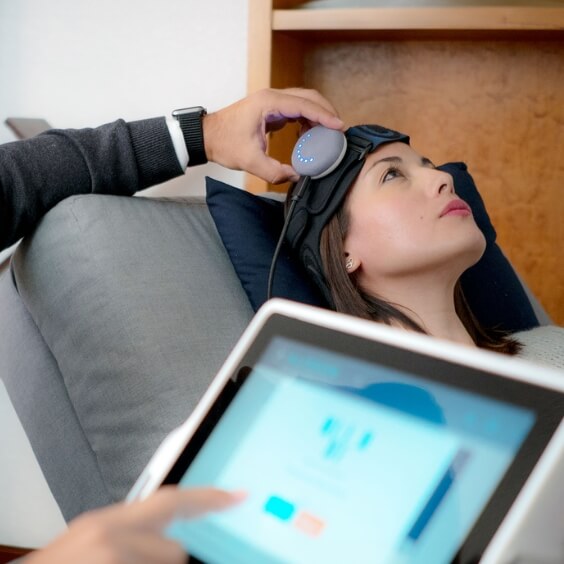
TMS uses an electromagnetic device placed on the scalp. This device sends magnetic pulses to specific areas of the brain involved in mood regulation.
3. Is TMS painful?
Most patients do not experience pain during the treatment, though some may feel a light tapping or pulsing sensation at the treatment site. Any discomfort usually diminishes after the first few sessions.
4. How long does each TMS session last?
Each TMS session lasts about 40 minutes. The exact duration can vary depending on the specific protocol used.
5. How many TMS sessions will I need?
A typical TMS treatment consists of weekly sessions over a period of 4 to 8 weeks, totaling approximately 20 to 30 sessions.
6. When will I start to notice improvements with TMS?
Some people begin to notice improvements in their mood and symptoms after the first two weeks of treatment, though this can vary from person to person.
7. Are there any side effects associated with TMS?
The side effects of TMS are generally mild and temporary. The most common ones include headaches and scalp discomfort at the stimulation site. Rarely, more serious side effects, such as seizures, can occur.
8. Is TMS safe?
Yes, TMS is considered safe and has been approved by the FDA for the treatment of treatment-resistant major depression. The risks are minimal, and the side effects are usually mild.
9. Will I need medication along with TMS?
The need for medication depends on the individual case. Some patients continue with their current medications during TMS treatment, while others may reduce or even eliminate medication under their doctor’s supervision.
10. What should I do before starting TMS therapy?
Before starting TMS therapy, it is important to have a thorough medical evaluation to determine if you are a good candidate for TMS. This will include a review of your medical and psychiatric history, a discussion about your symptoms and treatment goals, and a personalized session plan.
11. Who is a good candidate for TMS?
TMS is suitable for patients diagnosed with major depression, anxiety, fibromyalgia, chronic pain, obsessive-compulsive disorder (OCD), and ADHD who have not responded adequately to treatment. It is not recommended for people with certain metallic implants in the head or neck.
12. Can I continue my daily activities after a TMS session?
Yes, TMS does not require recovery time. Patients can return to their daily activities, including work and exercise, immediately after each session.
13. Can TMS treat conditions other than depression?
While TMS is most commonly used to treat major depression, ongoing research is exploring its effectiveness for other conditions such as obsessive-compulsive disorder (OCD), anxiety, post-traumatic stress disorder (PTSD), fibromyalgia, chronic pain, Alzheimer’s prevention, and cognitive system improvements, among others.
14. Do I need a medical referral to receive TMS?
Generally, yes. Most TMS centers require a referral from a mental health professional to assess the patient’s suitability for treatment.
15. How long do the effects of TMS last?
The duration of TMS effects can vary from person to person. Many patients experience significant improvement in their symptoms that can last for several months or even longer. Some may need periodic maintenance sessions to sustain long-term benefits. It is important to discuss a potential maintenance plan with your doctor based on your specific needs.